Best Time to Visit the Jura Mountains
For walking, Jura tourism recommends April–June and September–October as starting windows; spring also suits an interest in water features. High-Jura routes need different snow and weather checks from lower sectors. For a GTJ Nordic itinerary, the operator's general late-December–March season depends on snow. Choose the activity and area first, then check the actual route or domain for your dates.
Choose a season for your main activity
A spring walking trip around lower Jura sectors is a different proposition from a high-Jura route or a winter Nordic itinerary. Use that difference to narrow the dates before comparing accommodation. It gives the visit a purpose instead of asking a general “best month” question that has no single answer.
The departmental tourism guidance favours April–June and September–October for walking. It also identifies lower sectors where walking may be possible through the year: Pays de Dole/Val d’Amour, the Lons/Bresse/Vignoble/Revermont area and Pays des Lacs/Petite Montagne. That lower-sector description must not be extended to every mountain route or to a high-Jura stay near Gex.
Consider two starting plans. If you want walking with water-feature interests, investigate the spring guidance and a suitable lower-sector route. If you want one of the Haut-Jura portal's selected walking, mountain-bike or horse routes, examine its May–November scope and the requirements of that exact route. Neither is a permission to proceed regardless of conditions.
Write the activity and area beside your preferred dates. If the only reason for the chosen week is a photograph of snow, autumn colour or a waterfall, identify the condition that photograph depends on before fixing a restrictive booking.
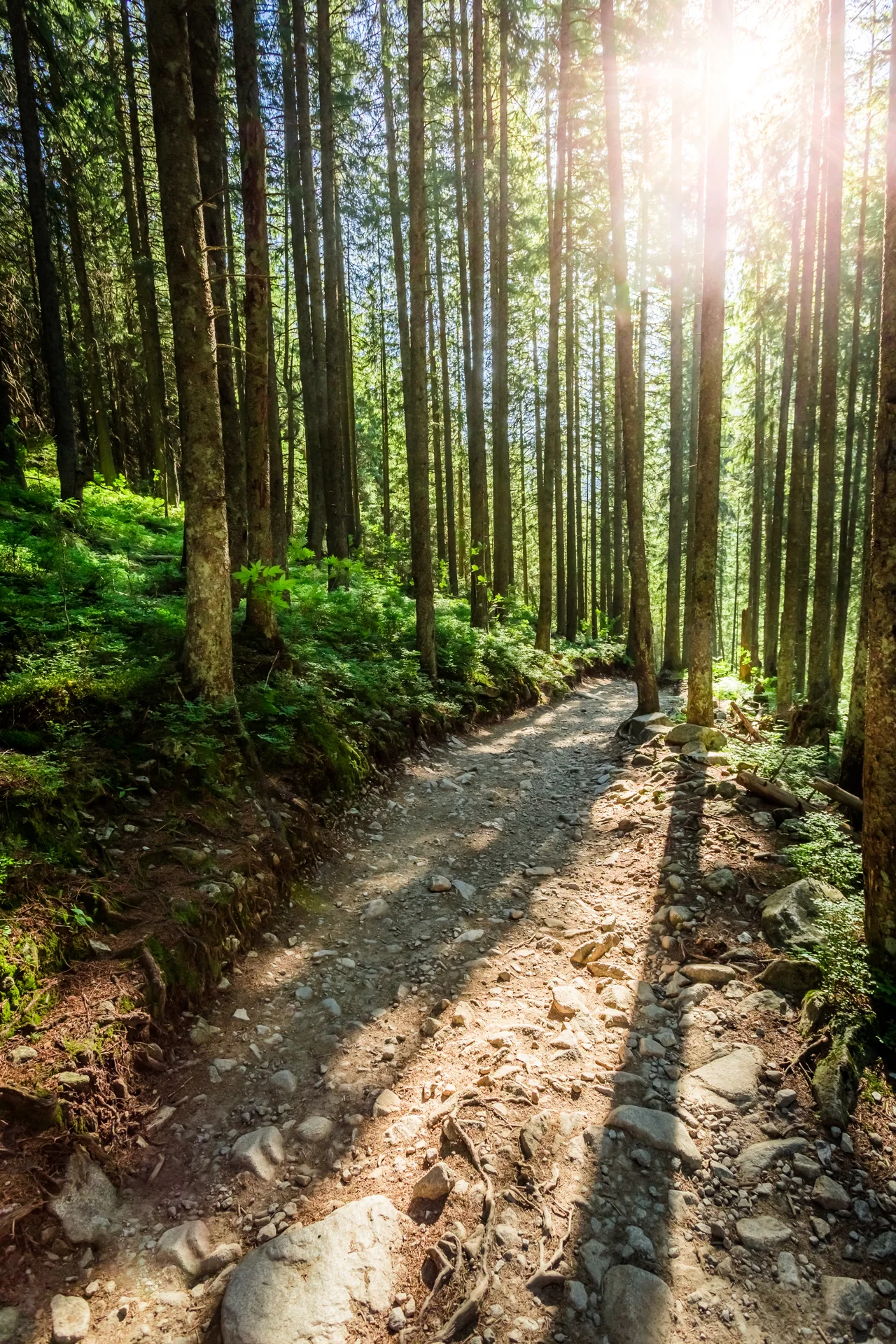
Compare the four seasonal trade-offs
The useful seasonal comparison contains an actual reason to travel as well as the check that remains. These are preliminary choices from destination and route information, not a forecast for an individual visit.
| Window or season | Interest supported by the source guidance | Geographical or operational limit |
|---|---|---|
| April–June | Walking and water-feature interests | Departmental guidance; the actual route and water flow remain condition-dependent |
| Summer / the portal's selected May–November routes | Walking, mountain biking and horse-route options in the Haut-Jura selection | Not every trail; route restrictions and weather still apply |
| September–October | Walking, forest and vineyard colour interests | No guaranteed colour date; choose the actual place and current conditions |
| October–November water interests | Possible renewed river and cascade flow | Depends on weather, not a guaranteed waterfall display |
| Generally late December–March for GTJ Nordic travel | A starting winter window for those specific itineraries | Snow-dependent, with actual domain opening checked separately |
The same guidance notes that hot, dry periods can reduce water features, while high-Jura snow may remain through late April. Summer afternoon storms are another planning consideration. Do not convert those observations into a climate average, a fixed storm time or a predicted snowline.
For a lower-sector spring visit, the useful question is which route matches the intended water or walking interest. For a higher route, the seasonal label is only the beginning: remaining snow and the published requirements can change the choice. For an autumn visit, choose the forest or vineyard setting you actually want rather than promising the same colour across the whole region on a particular day.
Check the actual hiking route
The Haut-Jura portal describes a selected walking, mountain-bike and horse-route offer for May–November. The selection has a geographical and editorial scope; it is not a calendar declaring every Jura trail open or suitable throughout those months.
Turn the preliminary date into a route record:
- Name the route and its actual start and finish.
- Read the route authority's current requirements and restrictions.
- Compare the terrain and equipment requirements with the people travelling.
- Check current weather and any snow information relevant to that route.
- Decide what would make you choose another route or postpone the activity.
Do not substitute a lower-sector year-round description for a high-route condition check. Likewise, the existence of a route page does not establish that the conditions on your travel date match its general description.
For a group, use the requirements that determine the practical limit, rather than averaging everyone's expectations. If a route question needs specialist advice, obtain that advice from the appropriate authority or professional. A destination guide can help organise the decision, but it cannot certify individual suitability or current access from a seasonal recommendation alone.
Build a winter plan that does not depend on snow
For GTJ Nordic itineraries, the general winter season is described as late December–March, depending on snow. Use that as a starting window for this particular type of trip, not as a promise for every Jura winter activity.
Espace Nordique Jurassien provides routes to current domain information, track status, webcams and a Snowmap. Check the actual domain and the update date before relying on an opening. A winter pass being on sale is not proof that the route or facility you need is operating.
Be especially careful with an apparently current page containing an older bulletin. The GTJ snow page examined for this guide said bulletin updates had stopped on 19 March 2026; its displayed percentage was not evidence of October snow conditions. The useful habit is to read the bulletin's own update time, not only the surrounding page date.
Make the fallback independent of the original uncertainty. If the visit is solely for one snow-dependent activity, understand its change terms before fixing the rest of the trip. A second snow activity is not a fallback for insufficient snow. A flexible overnight plan may instead preserve time for rest or another option confirmed for the actual conditions, without inventing a replacement attraction.
Recheck conditions before departure
Keep one final record rather than several overlapping lists. It should identify the route or Nordic domain, the date of the visit, the weather information checked, the opening or restriction information and the action you will take if either changes.
Météo-France's mountain-weather information has a Jura entry with forecast and snow-related resources. Use it for weather; it is not route permission. The relevant route authority or operator supplies the separate access or opening information. Repeat the affected check if the plan or conditions change before departure.
If you are comparing a stay at La Mainaz, use the existing hotel location notes to keep that Gex-area accommodation decision distinct from lower-sector walking recommendations. Then compare the actual room and rate conditions. The two accommodation links below do not confirm a trail opening, Nordic service or snow condition, and they do not make a departmental seasonal suggestion apply to every route near the hotel.
We may earn a commission if you book through these links. Compare the selected room and rate terms on the provider website.
Chalet Hotel La Mainaz Restaurant & Resort: Check room offers on Expedia · Check room offers on Trip.com.